


Burn-Back Because Drive Rolls Flattened the Wire?
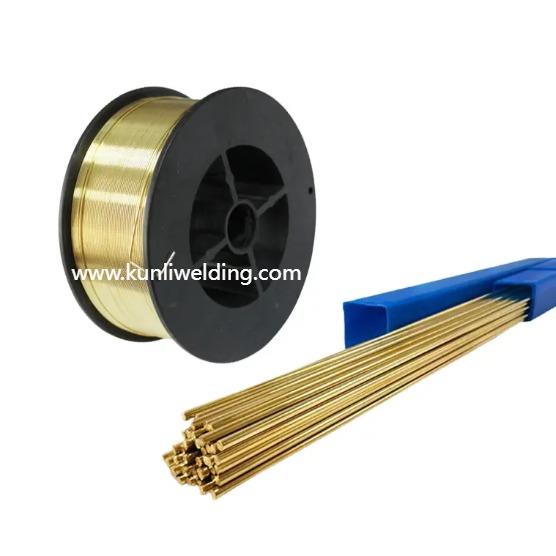
Aluminum hull production now runs robots twenty-four hours and fast-ferry blocks leave the jig in days instead of weeks. Every meter of wire must slide through the feeder untouched or the torch stutters, the bead waves, and the entire schedule slips. The soft nature of aluminum makes drive roll selection far more critical than with steel wire. Aluminum Mig Wire Manufacturers who ignore this reality leave yards fighting deformed wire and clogged liners, while those who match roll design to the metal keep guns singing all shift long.
The problem starts gently. Standard knurled rolls made for steel grip aluminum too aggressively. The sharp teeth bite deep, shaving microscopic curls that look harmless until they pack the liner solid. The wire coming out of the tip is no longer round, it is slightly oval. Oval wire dances in the contact tip, arc length varies, and the puddle surges from deep penetration to cold lap in the same bead. Robots on 5083 deck panels produce rippled surfaces that fail visual inspection first time.
V-groove knurled rolls solve most of the trouble. The V shape supports the wire on two sides while gentle knurling provides grip without cutting. The wire leaves the drive rolls exactly as round as it entered. Push-pull guns on twenty-meter torch packages for ferry closure welds run without the surging that normally plagues long conduits. The arc stays short and steady, penetration stays uniform, and seam-tracking lasers never lose the joint.
U-groove rolls with a slight cog pattern work even better on thicker wire. The rounded bottom cradles the wire instead of pinching. Offshore platform welders running 1.6 mm and 2.0 mm marine wire through rough seas keep the gun feeding when steel-roll users fight constant burn-back. The soft aluminum never flattens, never shaves, and never clogs the liner with black dust.
Pressure adjustment decides the final outcome. Too much pressure with any roll type flattens the wire instantly. Too little and the rolls slip, causing arc stuttering. Aluminum wire needs only enough pinch to move it forward, never enough to deform. Yards that mark feeder pressure settings for aluminum and train every welder to check them eliminate ninety percent of feeding complaints.
Roll material matters too. Hardened steel rolls last longer but cut deeper. Polished or coated rolls grip gently and shed aluminum particles instead of digging in. Some manufacturers offer titanium-nitride coating that reduces friction while staying smooth. The wire slides through with less pressure and emerges perfectly round even after kilometers of feeding.
Dual-drive systems with four rolls instead of two spread the load. Each roll bites less aggressively, reducing deformation risk. Robotic cells on large superyacht blocks use four-roll drives with V-knurled polished rolls and finish entire deck sections without a single tip change or liner cleaning.
Inlet and outlet guides complete the system. Sharp metal edges at the feeder entrance shave wire the moment it leaves the spool. Smooth, radiused ceramic or plastic guides let the wire enter straight and clean. The same attention at the outlet prevents the wire from kinking before it reaches the liner.
Wire cast from the spool affects roll choice. Poorly wound reels throw big loops that slam into the rolls and flatten instantly. Precision layer-wound spools deliver consistent small loops that slide between the rolls without impact. The right roll profile paired with the right spool creates feeding so smooth the welder forgets drive rolls even exist.
Manual welders notice the difference in hand feel. The gun stays light instead of jerking with every surge. The bead lays down straight and uniform without the constant correction needed when the wire is already damaged before it reaches the arc.
Aluminum Mig Wire Manufacturers who understand drive rolls also understand the wire itself. The same factories that polish knurled rolls to the correct profile usually draw wire to exact diameter and clean it properly. Customers learn that a supplier who recommends the right roll almost always ships wire that needs the gentlest grip possible.
Yards chasing real robot uptime can see the proof at kunliwelding's website. Every ER5183 listing includes photographs of recommended V-knurled and U-cog rolls in action on actual ferry and offshore guns, plus before-and-after wire samples showing round versus deformed cross-sections. When the next high-speed hull demands aluminum MIG wire that arrives at the arc exactly as round as it left the spool, the practical roll guidance waiting at www.kunliwelding.com turns a common feeding headache into the smoothest part of the entire welding process.

 English
 Arabic
 French
 Spanish
 Portuguese
 Deutsch
 Turkish
 Dutch
Dutch
 Russian
 Romaian
 Portuguese (Brazil)
 Greek
Greek